While most of the opposition is still looking for a common presidential candidate more than three months after the election, the leader of the Patriotic Bloc, Boško Obradović, and, quite unexpectedly, the journalist Srdjan Škoro have put forward their candidacy.
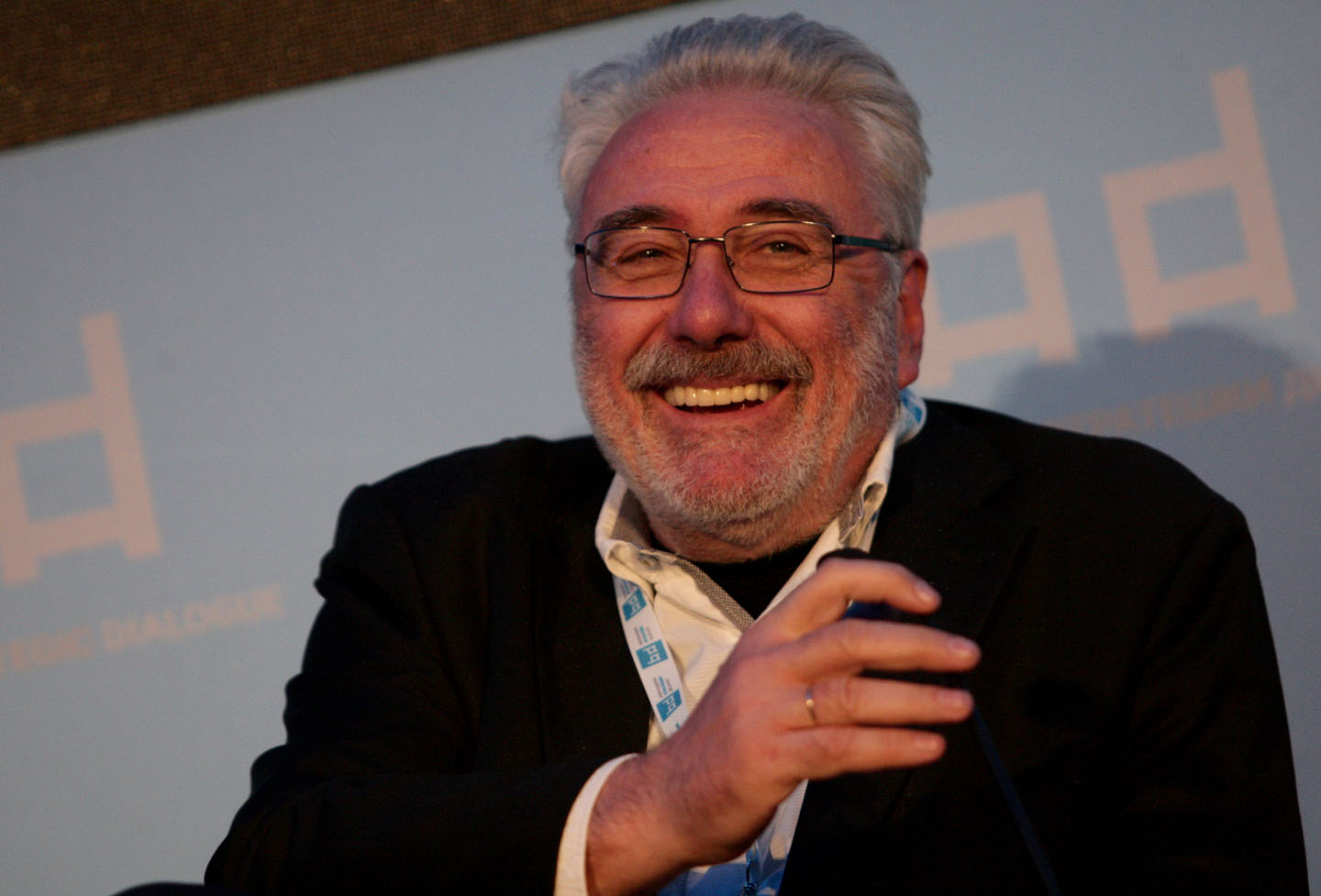
Apparently, a special curiosity in these elections will be the (announced) participation of the "famous" pulmonologist Branimir Nestorović, whom the citizens could get to know well from the beginning of the pandemic until today, and who in the last two years has become a pop star of fake news, pseudoscience, spin, anti-vaxxerism and various populist nonsense.
It is significant that Dr. Nestorović has an excellent record in the regime's media, and that, like Luka Maksimović, known as Ljubisa Preletacevic Beli, brands himself as an anti-systemic man. His name even appeared on one portal where people voted for a possible opposition candidate.
Some believe that the recent founding of the "Knights of the Order of the Dragon" movement is the beginning of Nestorovic's campaign. The name of this movement is consistent with Nestorović's performances full of epic fantasy.
By the way, the order of knights under this name was founded at the beginning of the 15th century by the Hungarian king Sigismund II, and it gathered the rulers of Europe who fought against the Turkish invasion. The pulmonologist announced that the movement will fight for children's rights and against pedophiles.
There is no doubt that Nestorović, if he really enters the presidential race, would win a lot of votes, primarily among opposition-oriented anti-vaxxers and conspiracy theorists. There is no doubt that his campaign would be entertainment for the masses, to cover important political and social issues and problems produced by this unfortunate authoritarian and incompetent government.
A characteristic of all presidential elections in Serbia, from the introduction of multi-party systems until today, is the participation of "strange" candidates who had absolutely no chance of success, but nevertheless entered this expensive and demanding race. Some of them wanted to use the elections to promote themselves and buy a ticket to the political future, some wanted to profit by supporting one of the candidates in the second round, some entered the fight for exhibitionist reasons, and a good part of them had the goal of, in some sort of collusion with the political powerful and competent services, he makes the elections meaningless, confuses and amuses the voters, steals votes and diverts attention from serious political issues.
In the first presidential elections in 1990, as many as 32 presidential candidates appeared, and we have never heard of the largest number of them in political life. They were disposable candidates.
Nikola Šećeroski, who was and remains a symbol of the meaningless of the democratic process and who was heavily promoted by the then regime media, remains in memory. It is obvious that the assessment of the spin-doctors of the time was that, with all those silly candidates, Milosevic would appear to the people as a serious and responsible politician, and that at the same time he would break away a part of the votes from the opposition.
The "strange" presidential candidates, in addition to Šećeroski and Bulumenta from the beginning of the last decade of the last century, were: Captain Dragan, Jezdimir Vasiljević, Jelisaveta Karađorđević, Marjan Risticevic, Milovan Drecun, Milanka Karić and many others.
In the 2017 elections, we also got a worthy successor to Šećeroski, his improved version, Luka Maksimović aka Ljubiša Preletacevic Beli, who managed to win almost 10 percent of the votes with a rather expensive and well-organized campaign. In the meantime, Maksimović became a member of the Movement for the Restoration of the Kingdom of Serbia (POKS), which works closely with the Serbian Progressive Party.
The target group of Preletačević was, first of all, young people who were disgusted by politics and who were not aware that the goal of progressive propaganda, like all autocratic regimes, is the promotion of political idiocy. Some old politicians who had the task of impersonating the opposition and winning part of their votes took part in these elections, such as, for example, Nenad Canak.
Read daily news, analysis, commentary and interviews at www.vreme.com