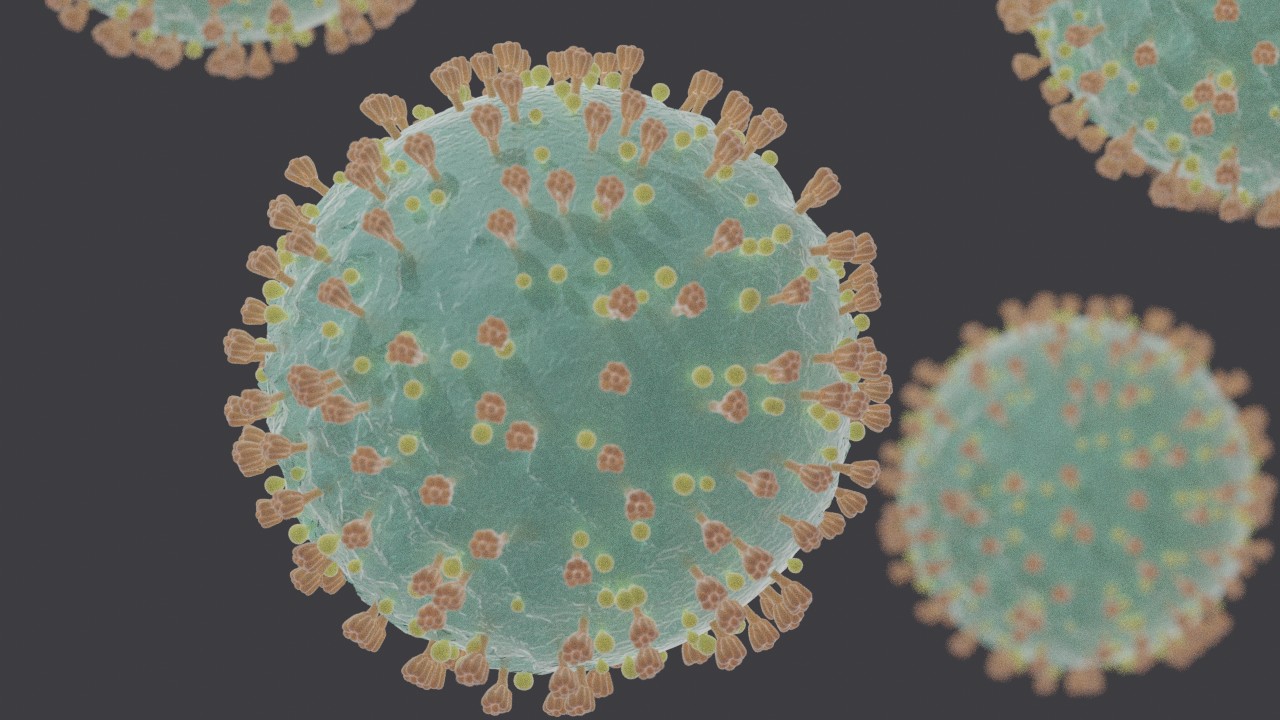
The World Health Organization (WHO) has expressed concern about the emergence of a new strain of the coronavirus, called Omicron, which was recorded for the first time in Europe yesterday. After yesterday's meeting, the WHO expert team assessed this strain as a special subspecies of the mutated virus, which they believe spreads many times faster than the Delta strain, and that there is a greater chance of reinfection.
There was a greater alarm in Europe after 600 of the 61 passengers on two planes from the Republic of South Africa, which landed in Amsterdam, tested positive for the coronavirus. They were immediately placed in quarantine, and this morning it was determined that they were carrying Omicron.
To date, 2.828 new cases of Omicron infection have been registered in South Africa, mostly in younger people.
The first signs of the new variant appeared in mid-November, when South African scientists isolated several samples of the mutation. The situation escalated during the past week, when about a hundred samples of the new strain were recorded, mostly in the most populated parts of the country, where the cities of Johannesburg and Pretoria are located. Experts there believed that Omicron had already spread to other provinces, and the first cases were also detected in neighboring Botswana, as well as Hong Kong and Israel.
The first case in Europe was recorded on Friday, in Belgium.
The German minister of the state of Hesse, Kai Klose, warned via Twitter that Omicron has probably already arrived in Germany, because several variants of this mutation were found in a passenger returning from South Africa. In the Czech Republic, the presence of Omicron in a person who stayed in Namibia is being checked.
The President of the United States of America, Joe Biden, expressed his concern and added that from Monday, the entry of most travelers from eight countries from southern Africa will be prohibited.
The Australian Government previously restricted the arrival of travelers from all countries from southern Africa where the presence of Omicron was confirmed, and Italy joined it, which extended the restrictions to all travelers who stayed there in the previous two weeks. Restrictions have also been introduced by Canada, Brazil and Japan.
Croatia also introduced restrictions for arrivals from southern Africa, and Slovenia imposed a mandatory quarantine for travelers from risk areas. Gradually, most of the countries of the European Union joined them.
The pharmaceutical company Moderna announced that it intends to develop a booster dose of the vaccine that would be directed specifically against the Omicron mutation.
FM /Reuters/Nova S