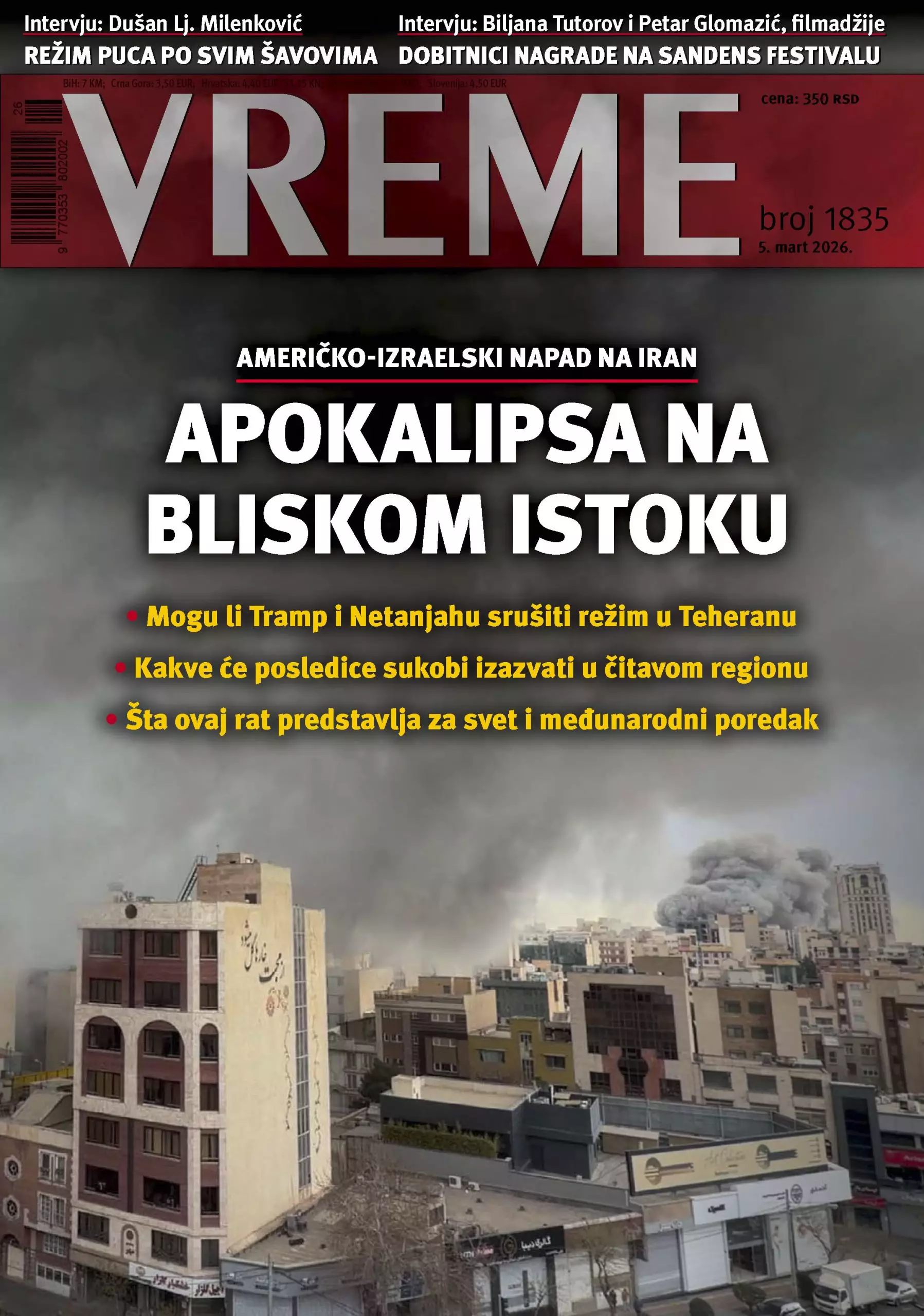
The world woke up on Saturday to the horrific images of dead and wounded Israelis in a surprise attack by the Palestinian militant group Hamas from Gaza. Thousands of rockets were fired at Israeli cities. About 700 Israelis and over 400 Palestinians were killed in the massacre. There are thousands of wounded people on both sides.
That the images of destruction will still persist is shown by the daily news, which reports, almost hour by hour, that someone has been kidnapped - whether at that moment he is on the street or in his home.
Read more Israel's 9/11: The Eruption of Frozen Hate
Videos of abducted women, children, soldiers and elderly people being taken away by militant group vehicles in an unknown direction are circulating on social networks.
But who are the militant groups at the heart of the Palestinian-Israeli conflict?
Hamas
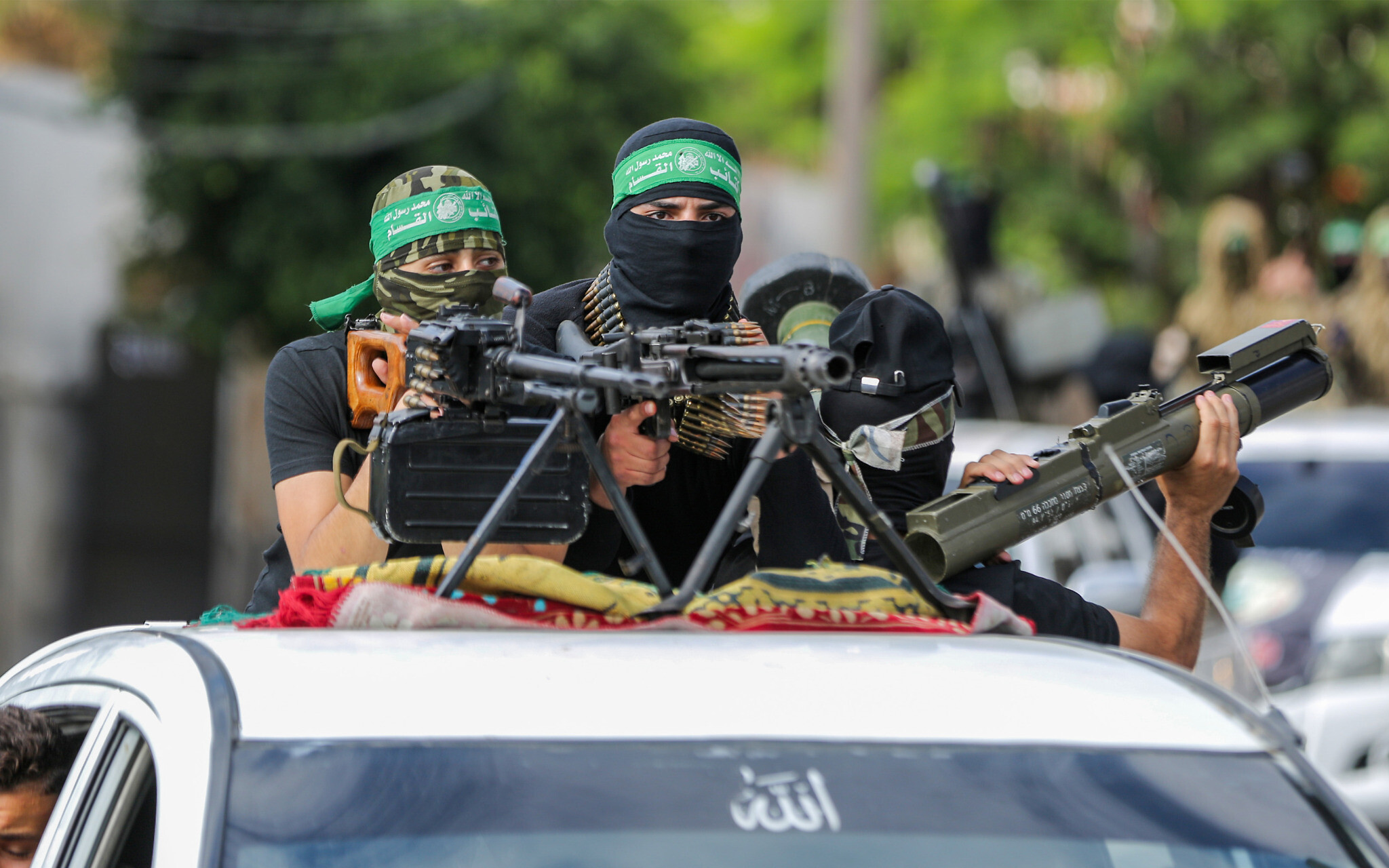
Hamas, or the Islamic Resistance Movement, is a Sunni Islamist terrorist organization that acts as the leader of the Gaza Strip, but has a large number of supporters throughout Palestine, writes Voice of America. It was founded in 1987 during the First Palestinian Intifada (uprising). Its leaders reside in countries across the Middle East, including Qatar.
The movement advocates two goals: the end of the Jewish state and the creation of an Islamic state from the Jordan River to the Mediterranean Sea and the "liberation of Palestine." Because they refuse to recognize the state of Israel, they violently opposed the Oslo peace accords signed by Israel and the Palestine Liberation Organization (PLO) in the mid-1990s.
Hamas took power in Gaza after the 2006 Palestinian parliamentary elections, when it accused PLO leader Mahmoud Abbas of orchestrating a plot against him. After a civil war between Hamas and Abbas's Fatah movement, Hamas took power in Gaza in 2007. Since then there have been more conflicts with Israel. Hamas repeatedly fired rockets into Israel, and the Israeli army bombed Gaza.
Read more Hamas attack on Israel: What we know so far
Funding for the attack, training and weapons came from Iran. Back in the early 2008s, Iran's Revolutionary Guard was in charge of training members of Hamas, which they used to launch several wars against Israel in 2009, 2014, 2021 and XNUMX. In each of those attacks, the terrorist organization fired thousands of rockets at Israeli population centers. .
In addition to Israel, Hamas has been declared a terrorist organization in the US, EU, Canada, Egypt and Japan. Hamas is part of a regional alliance made up of Iran, Syria's Shiite Islamist group Hezbollah in Lebanon, and all of them oppose US policies in the Middle East and Israel.
Islamic Jihad
The movement was founded at the end of the seventies by Fati Shikaki and Abdel-Aziz Odeh, who received the support of Palestinians dissatisfied with the actions of the PLO, headed by Yasser Arafat at the time. Shikaki was killed in Malta in 1995, probably by Israeli agents.
The group vowed to destroy Israel and replace it with an Islamic state that would spread across what until 1948 was called the British Mandate of Palestine, including the West Bank and Gaza, which Israel conquered in the 1967 war.
Islamic Jihad, like Hamas, receives money and training from Iran, and Israeli intelligence estimates that it amounts to tens of millions of dollars annually. They have the second largest network of armed operatives in Gaza after Hamas and headquarters abroad, in Beirut, Lebanon, and Damascus, Syria.
Unlike Hamas, Islamic Jihad does not contest Palestinian parliamentary elections and does not appear to have ambitions to form a government in Gaza or the West Bank. Israel, the US and European countries have declared Islamic Jihad a terrorist organization.
Hezbollah
Hezbollah or "Party of God" was founded in 1982 by the Iranian Revolutionary Guard. Its primary goals were to "export" the Islamic Revolution and fight the Israeli forces that invaded Lebanon during the Lebanese Civil War (1975-1990).
Hezbollah retained its weapons even after the end of the civil war to fight against Israeli forces occupying the south of Lebanon, which is dominated by the Muslim Shiite population. Years of guerrilla warfare led to Israel's withdrawal in 2000.
Hezbollah demonstrated military advances in 2006 during the five-week war with Israel. The war broke out after Hezbollah members entered Israel, kidnapped two soldiers and killed several others. In the war, 1.200 people, mostly civilians, and 158 Israelis, mostly soldiers, died in Lebanon. Hezbollah fired thousands of rockets at Israel.
Its military power grew after it deployed to Syria in 2012 to help President Bashar al-Assad fight a largely Sunni insurgency.
Hezbollah possesses precision rockets, which it claims can hit all parts of Israel. Two years ago, Hezbollah leader Sayed Hassan Nasrallah said the group had 100.000 fighters.
Iran gives Hezbollah weapons and money. The United States estimates that Iran provided Hezbollah with hundreds of millions of dollars annually. The US has designated Hezbollah as a terrorist organization, as has Saudi Arabia. The EU considers the military wing of Hezbollah a terrorist organization, but not the political wing of the movement.
Authorities in Argentina have blamed Iran and Hezbollah for the killing of 85 people in the bombing of the Jewish Center in Buenos Aires in 1994, as well as two years earlier on the Israeli embassy when 29 people were killed. Both Hezbollah and the authorities in Tehran have denied responsibility. writes Voice of America.
AE/Voice of America
Read daily news, analysis, commentary and interviews at www.vreme.com