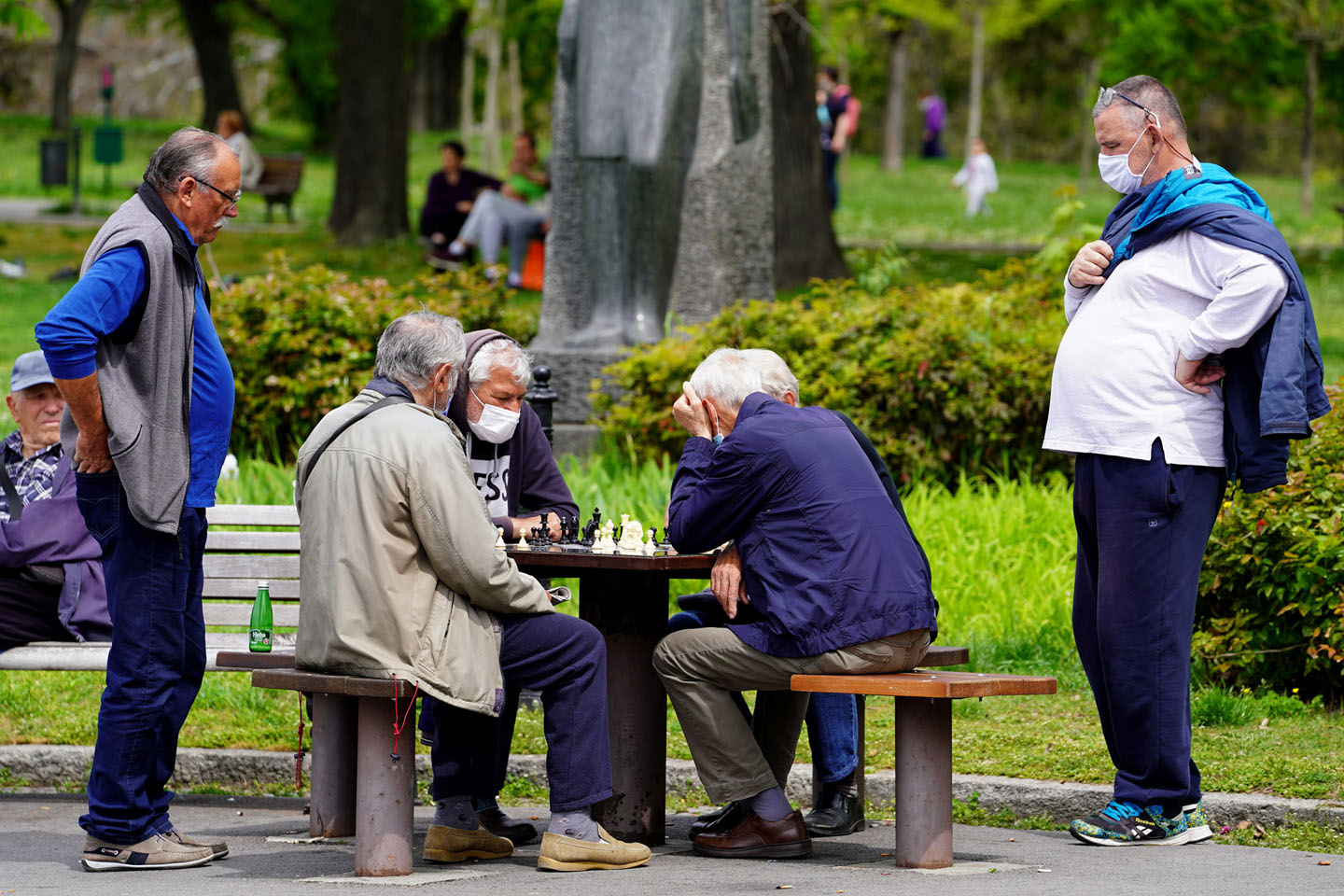
Everyone must have the right to a dignified old age, the president of the Socialist Party of Serbia said in Kikinda on Tuesday. Ivica Dacic at the pre-election rally and reminded that "due to various privatizations and everything else implemented after October 5" many people were left without the right to a pension.
During the same period in which Ivica Dacic presided over the National Assembly, around 600.000 pensioners received a pension of less than 20.000 dinars. That number does not include those who have no pension at all. Also, 8 percent of men over 65 and 17 percent of women did not achieve any financial security in old age.
Poverty and poor health are the main obstacles to the well-being of the elderly, was the conclusion of the webinar "Discrimination of the elderly and Agenda 2030" held on Tuesday. According to the report of the Office of the Commissioner for the Protection of Equality last year, which is the year in which Dacic was the President of the National Assembly, complaints related to discrimination based on age are in second place. Or, even more plastically, a third of the total number of complaints relate to people over 60 years old.
Commissioner for the Protection of Equality, Brankica Janković, says that multiple discrimination against older women is often present in almost all areas of public administration, pension and social insurance, work and employment, property rights, housing, and education.
She said that the media image that presents the elderly as old, sick, sad and without capacity should be broken.
At the webinar, it was also pointed out that pensioners cannot get a job, and when they do, they are discriminated against and paid less, since they already have a pension. The head of the office of the United Nations Population Fund in Serbia, Borka Jeremic, said that the fund will provide support to the Government of Serbia in activities aimed at improving the position of older people.
For now, pensioners are important to the state mainly so that the state and the president can show that they care for all people, even the oldest, and they give them non-refundable financial aid before the elections, a package of necessities when the pandemic started, and they lock them in their houses to protect them from illness. Apart from Serbia, no European country implements this kind of care for pensioners.
S.Ć./FoNet
Read daily news, analysis, commentary and interviews at www.vreme.com