The death of one of the suspects for hiding the body of a two-year-old girl from Bor in police custody - apparently, after a beating - is not just a "case" but systemic problem, senior researcher Maja Bjeloš from the Belgrade Center for Security Policy told Vreme.
As reported by "Radar", the brother of one of the suspects in the murder of the girl he died a violent death, as shown by the expertise of the Institute of Forensic Medicine in Belgrade. The prosecutor's office in Zaječar expects the results of the expert examination only on Monday.
"These police use torture to get statements. It is increasingly resorting to violence in order to force confessions. Sometimes fake. Now we officially know that torture and violence are standard police methods," says Bjeloš.
"This is unacceptable and illegal behavior that should concern everyone. It must not fall into oblivion or be hidden because we are going to the elections," says Bjeloš and adds that citizens must demand criminal responsibility.
"The most worrying thing in this case is impunity," she adds.
A repressive system in a vortex of violence
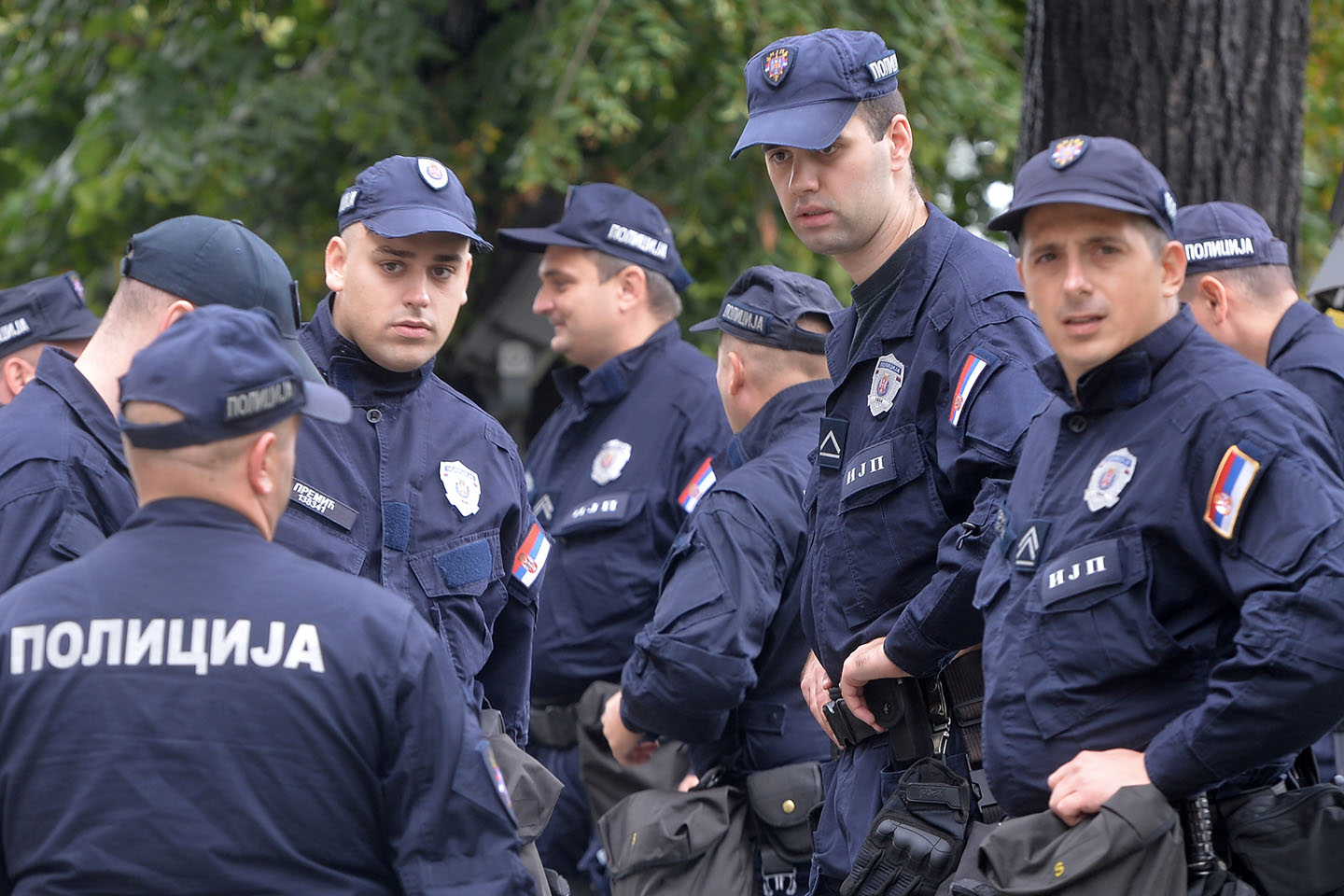
The police is steeped in brutality, corruption, crime, he adds.
"When someone is a suspect, you know how the police behave and how evidence is collected." But the police failed here, of course, because we have a crime, but we don't have a body. A crime without evidence."
"We are witnessing the long-term politicization of the police, the interference of politicians in police work and the less and less proper behavior of the police," explains Bjeloš.
She warns that this case must be placed in a wider context in which the police and the system are increasingly harming their citizens. And no one is responsible for criminal acts.
"No one was responsible for death of pilot Omer Mehić, for example. There is a long-standing practice of impunity. This is why we are spinning in a cycle of violence. "Unfortunately, instead of the police contributing to the reduction of violence in society, they contribute to even greater violence with such acts," says Bjeloš.
After May 3, society became even more violent
He reminds that the anniversary of the mass murders in May is approaching, after which, he says, we should have learned something. Instead, we live in an even more violent society today.
"All this is connected with the case when the wheel of the bus kills the woman and when the workers die at work. There is a continuity of violence in a system that does not punish that violence," says Bjeloš.
The interlocutor of "Vremena" also reminds of the terrible the crime that happened in Padinská skela.
"It is important to connect all this into one whole because the entire justice system is not aimed at rehabilitation." Rather towards vengeful punishment," says Bjeloš.
The Belgrade Center for Human Rights asked the prosecution in Zaječar to inform the public about the results of the expert examination at the Institute of Forensic Medicine in Belgrade regarding the death of forty-year-old D. D, the brother of one of the suspects in the disappearance and death of two-year-old Danka Ilić, who died on April 7 in police premises in Bor.
The police later announced that he died of natural causes, although he was reportedly given quick help.