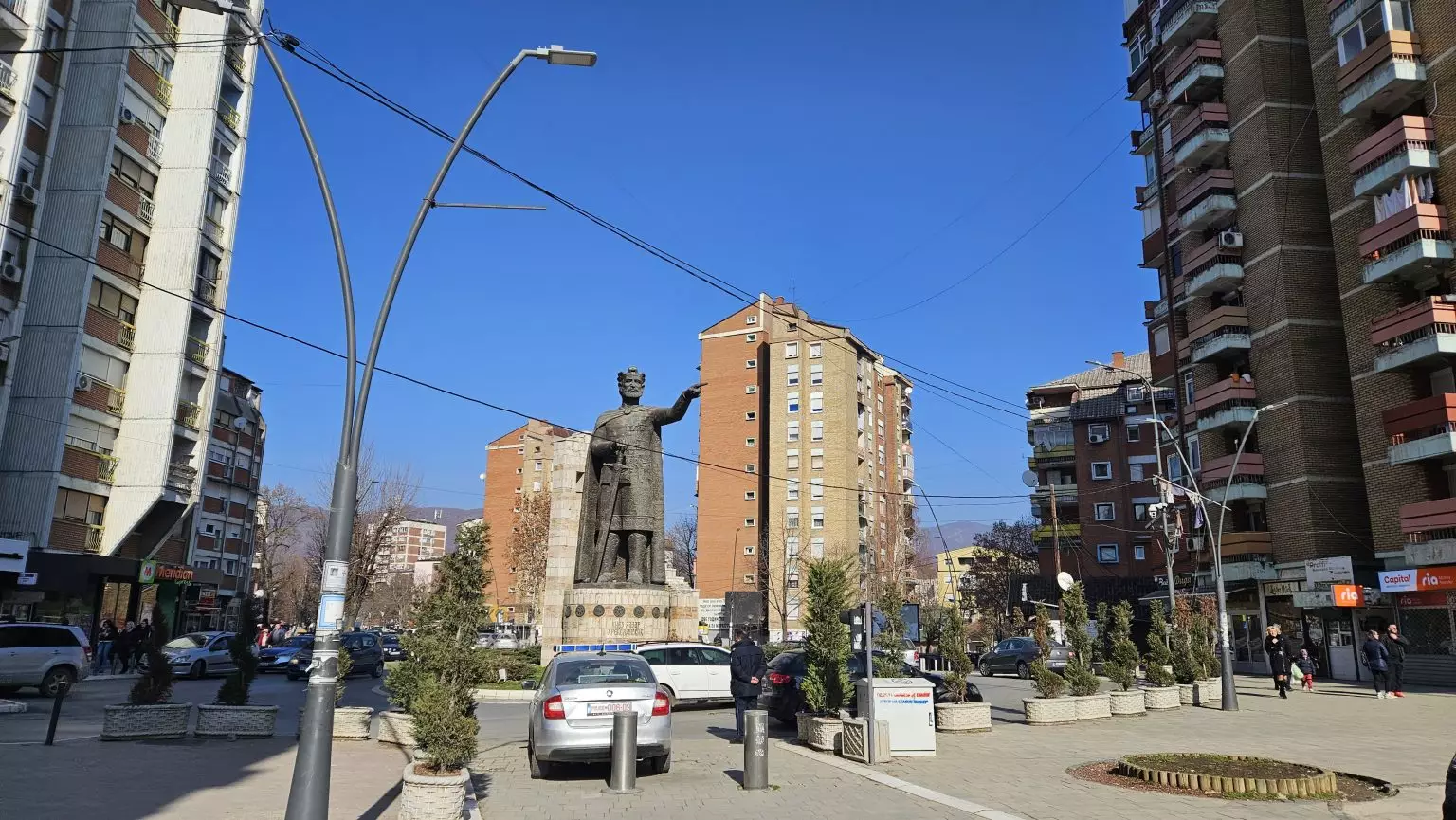
Chips, meat, plant-based milk in small packages, various coffees and other foods are a given in almost every store in Belgrade. However, on Kosovo this is not the case, and due to the quality and affordability of basic foods, you begin to appreciate full shelves in stores more.
In the north Kosova there are Serbian goods, but in limited quantities and not always. This is a consequence of bans on the import of Serbian goods into Kosovo, except at the Merdare crossing.
Basic foods, such as meat, friends will recommend that it is best not to buy in markets in the north of Kosovo, where you can only find frozen meat. More people from Mitrovica buy meat in central Serbia - in Novi Pazar, Kraljevo, Raška... They say - let's go, buy several kilos of meat and freeze it. In the enclaves, people also have their own poultry. While in fast food restaurants, a portion of meat is around 250 to 300 dinars.
In addition, except for 2in1 and 3in1 coffee, there are not all those different coffees in bags that you can find in Serbia on the store shelves. That is, you happen to run into, but not what you are used to. So Serbs, for example, are used to Chipsy, but there is no such thing in Kosovo. They buy it in central Serbia.
Consequences of the ban on the import of goods
The import of Serbian goods into Kosovo has been prohibited for two years. The condition for Kosovo to lift the restrictive measures against the entry of goods from Serbia at most crossings is to be equipped with scanners for goods control, which will be donated by Germany. However, the German embassy confirmed in July of this year that it will not be able to deliver the scanners to Kosovo before next year.
Serbian goods are not driven through Brnjak, Jarinje, Mutivode, Bela Zemlja and Muchibaba crossings.
How does it affect the lives of citizens in the north of Kosovo?
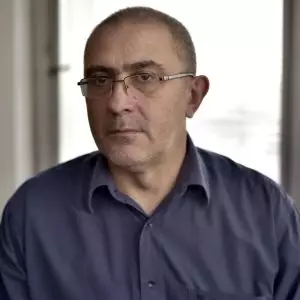
Miodrag Milićević, executive director of the NGO "Aktiv" told "Vreme" that, despite the strict guarantees of the international community that the measures introduced in 2023, which was a prerequisite for Kosovo's membership in the regional platform CEFTA (Central European Free Trade Agreement), would be lifted only partially, because imports were approved only through one crossing.
And, Kosovo became a member of CEFTA in October 2024.
"What is bad for the citizens, for all of us, is that in these two years we have lost almost the majority of Serbian products that the population is traditionally used to. They have been replaced by some products that come from other countries such as North Macedonia, Albania, Turkey and so on," Milićević points out.
He adds that this replacement does not necessarily mean a good alternative, not only because of habit, but also in terms of product quality.
"Above all, what is very bad is the attachment to such a decision, which is not based on anything other than a politically motivated version of this Government (now in a technical mandate), and which was made according to some unclear principle and for which we still have no confirmation whether it was made in writing or only orally", explains our interlocutor.
He emphasizes that it is important to mention the absence of any talks to solve this problem until "the scanners are delivered, which will obviously be successively sent to Kosovo as time goes on."
Therefore, says Milićević, "any kind of restriction, which was adopted according to unclear principles and which completely contradicts any elements that carry with them the prefix of the normalization of relations during the dialogue, is completely and utterly unacceptable".
What are the prices?
In addition to retail establishments, prices in cafes, fast food restaurants, and pastry shops in North Mitrovica are incomparable with, for example, prices in a smaller town like Aleksandrovec.
In Northern Mitrovica, you can drink coffee in cafes for 60 to 100 dinars, and in addition, sour water for another 100 dinars (it depends from cafe to cafe), and in most of them there is no plant-based milk for coffee. The famous "Salet's" burek is 190 dinars, and if you don't try burek, meatballs and trileje cake in Mitrovica - it's as if you've never been. A substantial piece of three-year-old cake in pastry shops is, for example, about 140 dinars.
Whether this decision to ban the import of goods also affects prices, Milićević says, depends on what kind of products it is. "If we are talking about products that come mainly from, for example, North Macedonia or the wider region, the prices are more or less uniform."
However, when it comes to Serbian products, it is not only a question of prices, but also of distribution and continuity of supply in general.
"It is questionable under what circumstances and conditions such goods are transported, bearing in mind that only one crossing is open for the import of such goods, and the crowds are incredible, at least according to the story of all the importers who reoriented themselves to some other markets, because at that one crossing (Merdare) the wait is two to three days, and sometimes even longer," concludes Milićević.
This October, "Vreme" celebrates and honors - as much as 35 percent discount for our 35th birthday! Valid for semi-annual and annual subscriptions. Subscribe now!