Quay on Nišava has become a cult place for going out in They are not. From the end of May until the middle of September, the ramparts next to Nišava are packed, and the city center resounds with music, the laughter of young people and the smell of beer.
The benches on the amphitheater of the Nis quay, decorated with a monument to Šaban Bajramović, are more interesting to young people than any cafe or night club.
But the main victim of their pastime is the river Nišava.
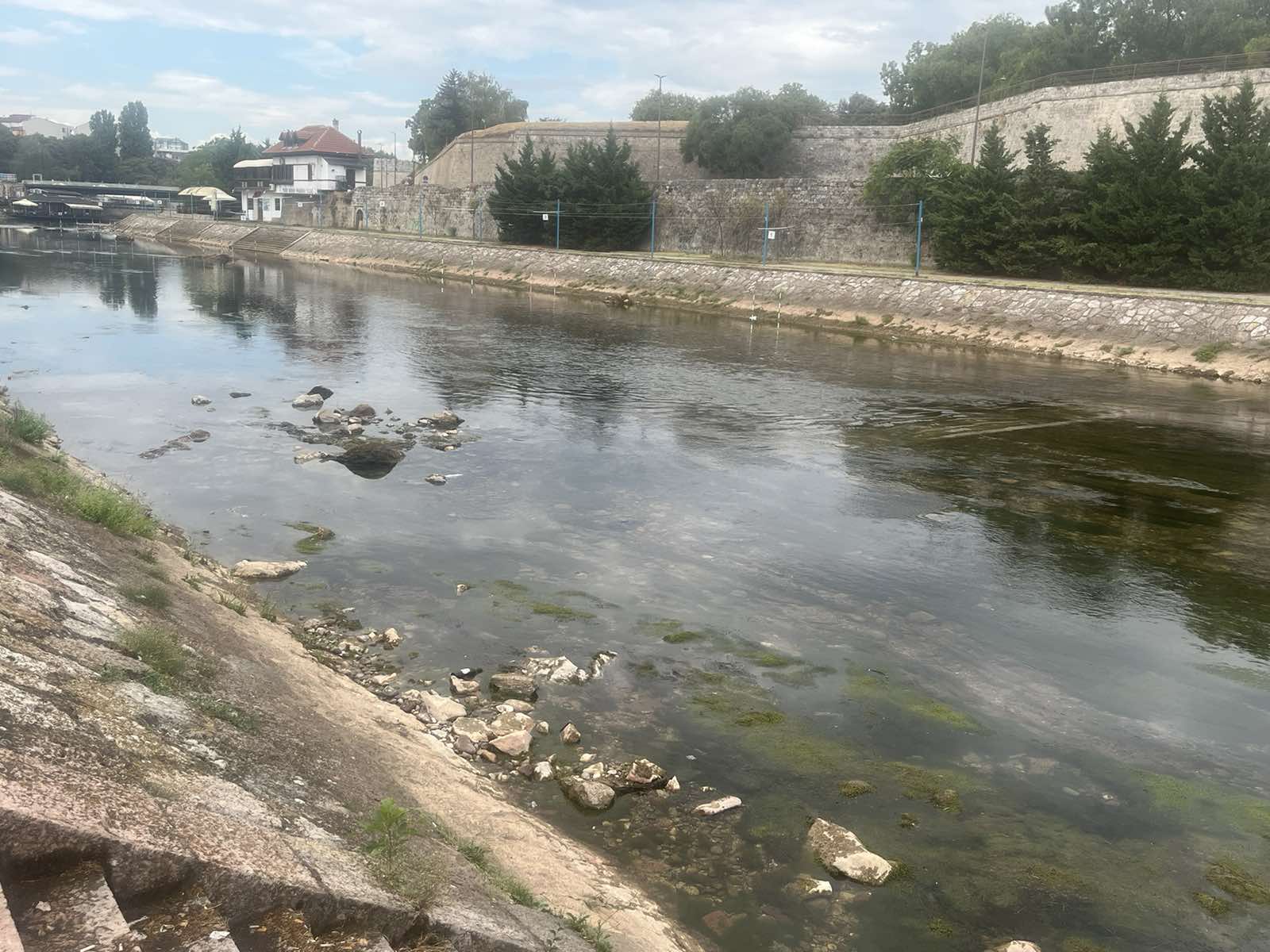
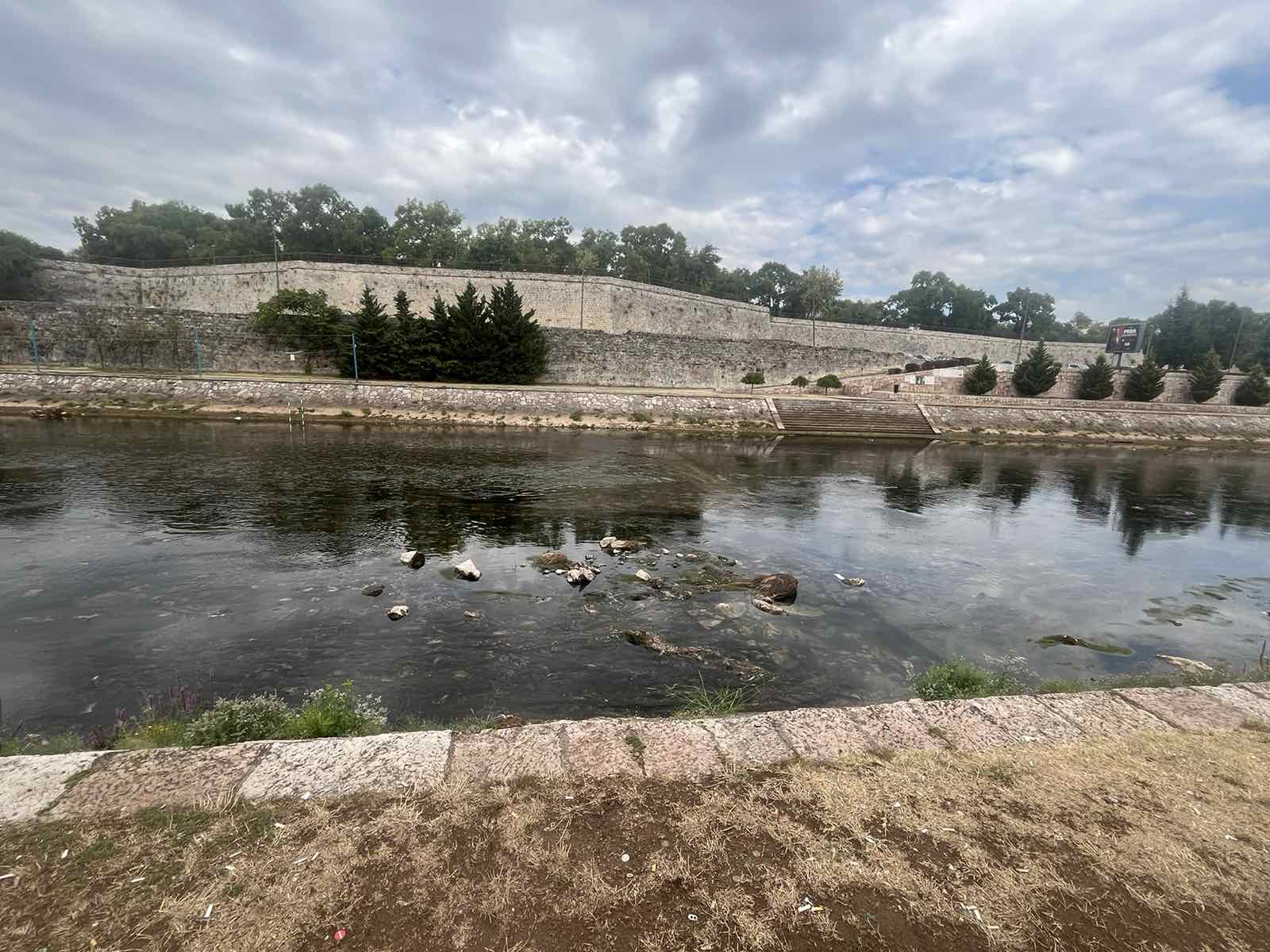
Mild environmental disaster it recently hit this river, the symbol of the city. The water level has dropped, and garbage has sprung up. The city authorities, as well as the City Cleanliness Department, were silent.
"Moral catastrophe"
The news spread only through Instagram and the account "Nis niju". An anonymous citizen sent pictures of Nišava, which looked like green toadstool, barely visible from the heavy garbage.
"The water level went down and this garbage came up, nothing less than a baby carriage." It's sickening to watch and I don't understand how City Cleanliness turns a blind eye to it," said the citizen and set off an avalanche of comments.
Some state that "children are a horror and don't clean up after themselves", others point the finger at City cleanliness, and others state that it is not an ecological, but a "moral disaster".
A young man, a member of the "Pirate" kayaking club, which often holds training sessions in this part of Nišava, also complained. "Even then, they expect results from us kayakers, and these are the conditions for our training," said the young man.

Photo: Vreme / Mila JovanovićNisava
Municipal waste, droughts, citizens and other culprits
In an interview with "Vreme", Dejan Lekić from the Ecological Association states that there is no single culprit.
"Due to excessively high temperatures, biological disturbances occur in rivers. "Toadstool on the surface of the river is a consequence of the growth of certain plants and microorganisms, and this occurs if the river is loaded with artificial fertilizers, such as nitrates and phosphates," says Lekić.
Lekić explains that it is not uncommon in Serbia for pollutants to be discharged directly into rivers.
Precisely because of this, the Minister of Environmental Protection, Irena Vujović, recently demanded that industrial plants from January 1, 2026, must carry out preliminary treatment of waste water.
"This means that at the moment many factories are discharging waste water into our rivers, completely untreated. A large number of cities in Serbia do not have water treatment plants, and we treat only 14,5 percent of municipal wastewater," says Lekić.
Another of the problems of rivers in Serbia, he says, is the low water level, which is especially pronounced this year due to severe droughts.
"The combination of very high temperatures, municipal waste, and negligence towards rivers. The situation in Nišava is just an example, it is like that in many rivers. "Recently, waste was floating in a river in Novi Pazar," says our interlocutor.
According to Lekić, illegal landfills, as well as landfills used by public utility companies, are often located in the immediate vicinity of rivers. Waste reaches rivers in different ways, either by wind or during rainfall.
"In the end, those who should take care of it don't do it, and the citizens, when they see such a relationship with nature, start to behave the same way and throw what they can into the rivers," concludes Lekić.
A tributary of the Nišava river, regularly black
Towards the end of winter, for the last three years, the Gabrovo river in Nis has turned black due to algae and grass rotting at the bottom of the bed.
When the river turned black for the first time, in the winter of 2022, the professional services of Srbijavoda went to the field, and the Water Inspection was also informed.
The inspection did not determine the pollution caused by the spill of some substance, which excluded the school, clinic, foundry and fish market near the river as potential polluters, they wrote. Southern news.
It was then established that there is no potential pollution of the Gabrovočka River, regardless of the color change, and that there is no need for water sampling.
Further analyzes were never carried out, and the public seemed to get used to the blackness of this small river during the next two years.