March 16 dawned. An important date for Kosovo Serbs. The full implementation of the Law on Aliens has begun Law on Vehicles.
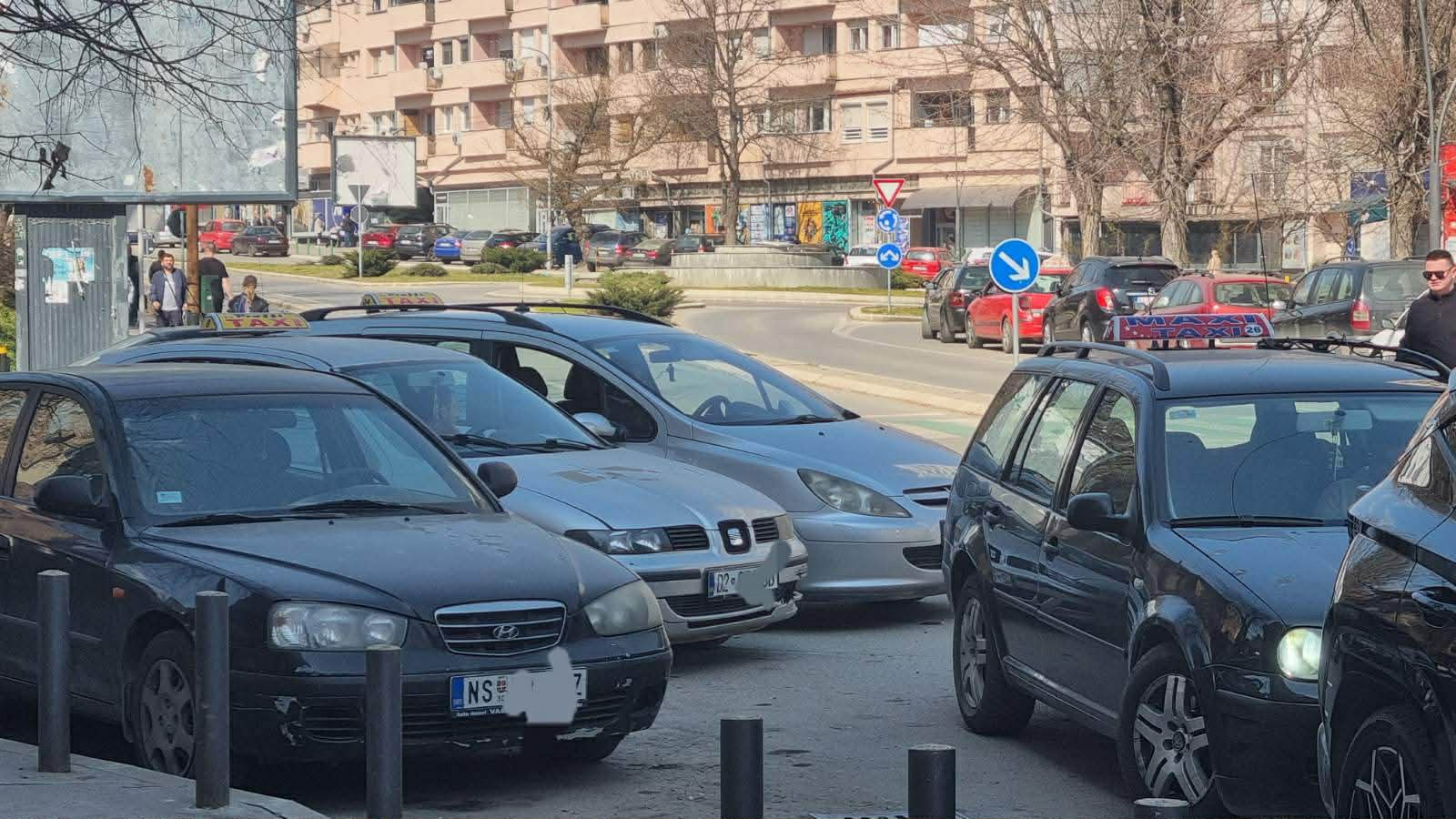
At the Jarinje crossing, the media recorded dozens of vehicles with Serbian license plates parked on the Serbian side of the crossing. They couldn't get in Kosovo due to the application of the Law on Vehicles, which says that someone who has Kosovo documents and drives a car with Serbian license plates (from a city in central Serbia) cannot enter Kosovo.
Even at the Brnjak crossing, cars with Serbian license plates could not enter Kosovo, reported Zubin Potok INFO.
From the field, we unofficially learn that several dozen vehicles with Serbian license plates were exported from the north of Kosovo to Brnjak during the night. It is not clear to the citizens what will happen to their cars. Even after the application and his visit to the media by the deputy commander of the Kosovo Police for the northern region, Veton Elšanija, new questions continued throughout the day.
The KP says - we only apply the law. And that is true. As the executive power, they implement the adopted laws.
Additionally, on the field in Zubin Potok, as we learn, there were significantly fewer vehicles on the main street. Noticeable were those with RKS license plates, and those whose drivers have residence in Serbia, i.e. Serbian documents and can drive cars with Serbian license plates.
If this sounds complicated and unclear to the readers, it is the same in the field.
As far as the Law on Foreigners is concerned, there is still some ambiguity. Several students contacted the journalist with the question: "What should I do? How is the procedure going?". The fear is legitimate. The law on foreigners states that after entering Kosovo, a foreigner has 72 hours to report to the police or report through an application made by the Kosovo MUP. And anyone who does not have Kosovo documents is a foreigner.
Apparently, no one from the University has informed the students.
However, on Saturday (March 14) at the conference of the Serbian List, their member Igor Simić said that for persons coming to Kosovo, primarily doctors, professors and students who work in Serbian institutions or study, the institutions will make lists and forward them to the mayors who will further forward it to the officials of the MUP of Kosovo.
However, the mayor of North Mitrovica and member of the Serbian List, Milan Radojević, told Juronjuz Serbia that March 16 is a normal working day in Kosovsko Mitrovica, that the University is functioning, as well as the KBC and that the doctors are at work.
Members of the Serbian List, the Office for Kosovo and Metohija, the Minister of Foreign Affairs of Serbia, Marko Đurić, and the President of Serbia, Aleksandar Vučić, presented this scenario as a kind of victory. They say that the "worst case scenario" was avoided.

Photo: KossevThe first day of application of the Law on Vehicles
What will happen to Serbian institutions?
At a press conference on Saturday (March 14) before the implementation of the Law on Foreigners, Kosovo Prime Minister Aljbin Kurti said that the Kosovo Ministries of Education and Health will start the procedure and set deadlines for the integration of health and education into the Kosovo system with the licensing of institutions.
Kurti did not mention anything regarding the formation of the Union of Serbian Municipalities (ZSO), as it was clarified in public how the health and education system will be integrated. More "Vreme" wrote about it.
He added that the Government of Kosovo will receive from the local level (from the municipalities) lists of employees in health and education, as well as lists of students to whom the Kosovo MIA will issue work, i.e., residence permits for a period of 12 months.
And, for Serbs from Kosovo who do not have Kosovo documents, a period of 90 days has been enabled to be registered in the Kosovo system, using documents, says Kurti, of "illegal structures" (that is, for example, identity cards of the PU of Kosovska Mitrovica).
With him at the conference was the EU's special envoy, Peter Sorensen, who stated that the European Union is taking note of the plans of the Government of Kosovo to integrate the health and educational institutions supported by Serbia into the Kosovo framework, fully in accordance with the previous agreements reached in the dialogue, reported Zubin Potok INFO.
Sorensen added that the EU insists on structured consultations during the entire process with representatives of the Kosovo Serb community in order to ensure their consent.
Photo: KossevDozens of vehicles with Serbian license plates are parked in Jarinje
from the Serbian side of the crossing
Serbia in Jarinje, Serbs in Kosovo
Therefore, Prishtina implements its laws without substantial public discussion and consultation with the community. The conversation about their fate has been going on in Brussels since 2013. No one included the Serbs from Kosovo.
Agreements have been signed. And, since the beginning of their application in Kosovo, a lot has changed. Finally, with the annex of the Ohrid Agreement in 2023, almost all Serbian institutions were closed. Judging by the announcements from Pristina, as well as the above-mentioned statements of Peter Sorensen, it will be both a health and education system.
Then what of Serbia remains in Kosovo?
Citizens who mostly elected their political representatives remain disappointed and tortured. Anyway, the Serbian List, so to speak, the Serbian Progressive Party, is back in the institutions, but in Kosovo.
And, according to announcements, President Vučić will soon meet them at Jarinje, but from the Serbian side of the crossing.